How to Choose Nail Shape for Your Hands and Style
octubre 18, 2026
European Pedicure Guide for Polished Feet
octubre 21, 2026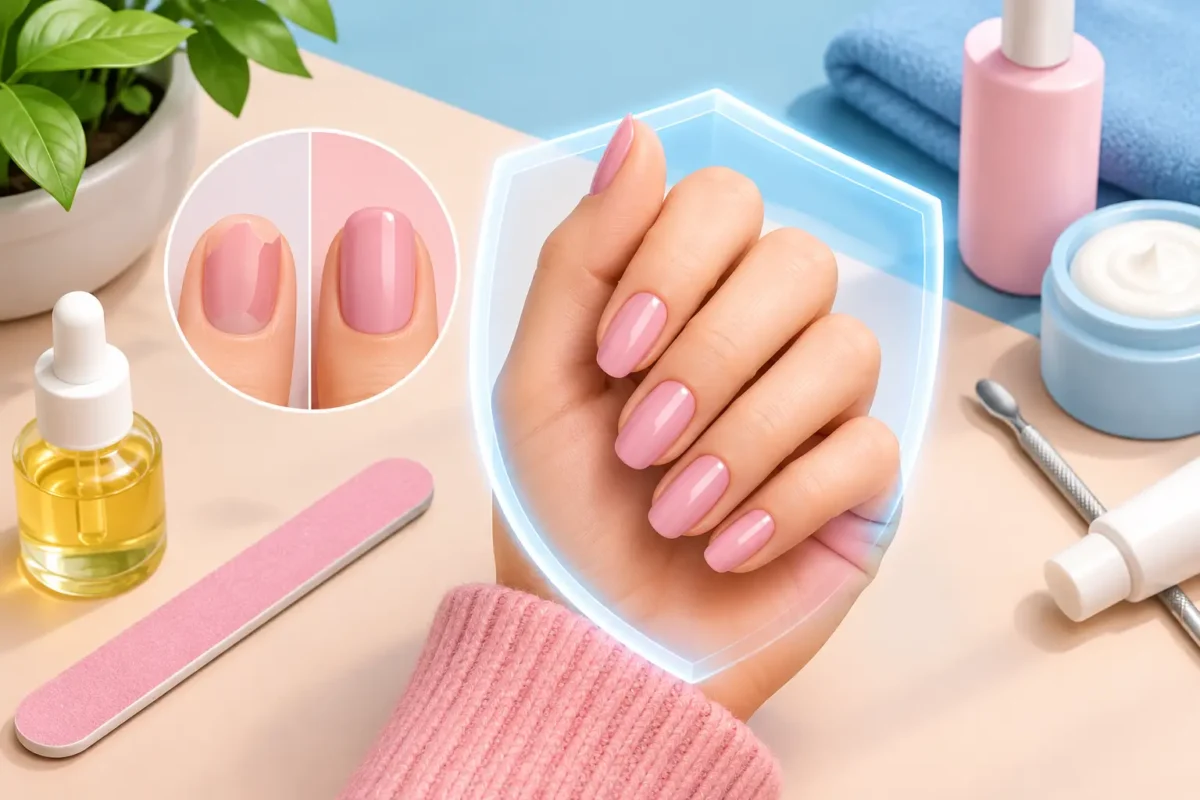
A fresh manicure can look flawless when you leave the salon, then lose its polished finish to one small chip while opening a package, washing dishes, or searching through a handbag. Learning how to prevent chipped nails is less about being overly careful and more about choosing the right service, preparing the nail properly, and protecting your manicure in the moments that place the most stress on it.
Chipping is not always a sign that you chose the wrong color or that your nails are “weak.” It is usually the result of several small factors working together: natural nail condition, product application, daily wear, moisture exposure, and how long the manicure has been on. With the right technique in every touch and a few thoughtful habits at home, a polished finish can stay beautiful far longer.
How to Prevent Chipped Nails Before They Start
The most durable manicure begins with careful preparation. Polish, gel, and dip powder need a clean, stable surface to adhere properly. If the nail plate has residual lotion, cuticle oil, moisture, or natural oils, even premium products may lift or chip sooner than expected.
This is why cuticle care matters. The cuticle is the thin layer of skin that grows onto the nail plate, not the living skin surrounding the nail. When it is gently and professionally removed from the nail surface, color can be applied evenly from the base to the free edge. Skipping this detail can leave a barrier beneath the polish, creating an area where lifting begins.
Nail shape also affects durability. Very long nails, sharp points, and dramatic corners can be elegant, but they have more leverage against everyday impact. If you type frequently, work with your hands, care for children, or regularly handle bags and boxes, a short-to-medium oval, squoval, or softly rounded shape may give you better wear. The best shape is not simply the one that looks beautiful on your hands. It is the one that fits your routine.
A skilled technician will also seal the free edge of each nail, meaning the color and top coat are carried lightly over the tip. This small precision step helps protect the area most likely to chip. It is especially valuable for clients whose nails tend to peel at the tips.
Choose a Manicure That Fits Your Lifestyle
There is no single finish that performs best for everyone. A classic manicure offers a clean, natural look and is an excellent choice for clients who enjoy changing their color often. However, traditional polish is more vulnerable to water, friction, and daily impact, particularly during the first day after application.
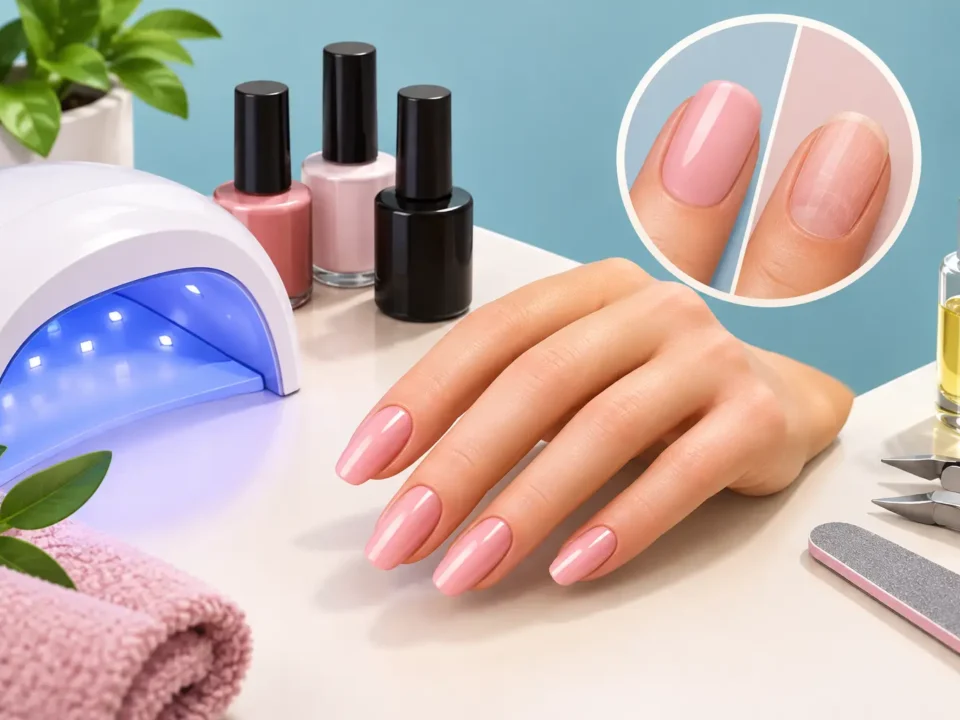
Gel polish is often a strong option for busy professionals and anyone seeking a glossy, refined finish with longer wear. Because it is cured under a lamp, it is fully set at the end of the service. That makes gel especially convenient before a workweek, a trip, or a special occasion. Still, gel is not indestructible. Repeated picking, forceful impacts, and using nails as tools can cause chips or lifting.
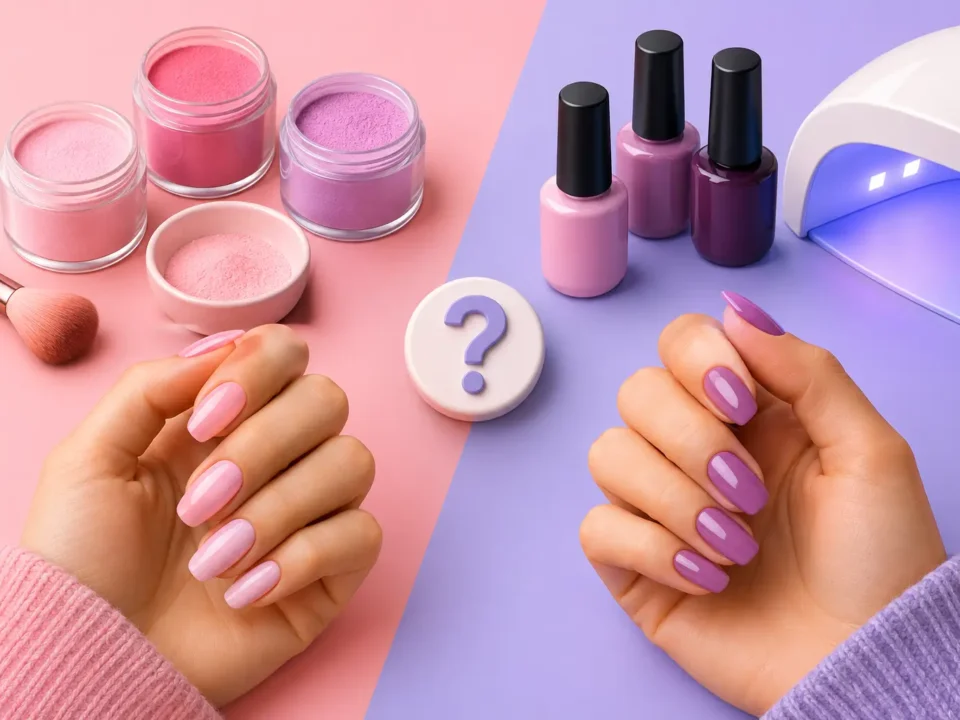
Dip powder and acrylic enhancements can offer additional structure for clients with flexible natural nails or those who want more length. The trade-off is that enhancements require consistent maintenance and professional removal. Trying to pry, peel, or clip away product at home can damage the natural nail underneath, leaving it thinner and more prone to breakage during the next manicure.
The right service depends on your nail health, desired length, preferred maintenance schedule, and typical day. A personalized consultation can make a meaningful difference here. At D&T Nails, every detail of the service can be tailored to help create a finish that feels refined while supporting the way you actually live.
Protect Your Manicure During the First 24 Hours
Even when polish feels dry, it may not be fully hardened. Traditional lacquer benefits from extra care for the first 12 to 24 hours. Hot water, steam, and pressure can soften the layers before they have fully settled, increasing the chance of dents, smudges, and early chipping.
If you have a classic manicure, avoid long hot showers, baths, saunas, and dishwashing right afterward when possible. Choose quick, lukewarm water exposure instead. It is also wise to wait before doing tasks that put direct pressure on the nail tips, such as opening cans, fastening jewelry, or moving heavy items.
Gel services do not need the same drying time, but the surrounding skin and cuticles still benefit from gentle treatment. Avoid soaking hands immediately after any manicure, and resist the urge to test your new nails against hard surfaces. A flawless finish deserves more than a first-day stress test.
Everyday Habits That Cause Chips
Most chips happen during ordinary routines, not dramatic accidents. Nails are often asked to do jobs that hands, tools, or fingertips should handle instead. Using a nail to scrape off a label, open a soda can, press a button, loosen a knot, or dig through a key ring places concentrated pressure directly at the free edge.
A few simple substitutions protect your manicure without adding inconvenience. Use the pad of your finger or a tool to open tabs. Reach for scissors instead of tearing packaging. Use gloves when cleaning, gardening, washing dishes, or handling harsh household products. Gloves are one of the most effective ways to reduce exposure to water, detergents, and cleaning chemicals, all of which can dry the nail and weaken adhesion over time.
Frequent handwashing is part of daily life, especially for commuters, healthcare professionals, parents, and anyone working in client-facing settings. The goal is not to avoid it. Instead, follow up with hand cream after washing and apply cuticle oil regularly. Hydrated nails are generally more flexible, which means they are less likely to crack under pressure.
Keep a small cuticle oil pen in your desk, purse, or nightstand. One careful application before bed can support both the appearance of your manicure and the comfort of the skin around it. Massage the oil into the cuticle area and along the sides of each nail rather than coating the polished surface.
Avoid the Fixes That Make Chipping Worse
When a tiny chip appears, it can be tempting to pull at the polish, file aggressively, or cover the area with a thick layer of top coat. These quick fixes may make the issue more noticeable or cause further peeling.
For regular polish, a small chip can sometimes be touched up with a thin layer of matching color followed by top coat. Let each layer dry fully rather than trying to conceal it with excess product. The repair may not be perfectly invisible, but it can extend the manicure for a few days.
For gel, dip, or acrylic, do not pick at lifted edges. Once product begins to lift, moisture can work underneath it, and pulling can remove layers of your natural nail. If lifting is minor, schedule a professional assessment promptly. If there is pain, redness, discoloration, or a greenish area under an enhancement, remove the product professionally and avoid covering the concern with more color.
Filing should also be done with intention. Filing back a snag is better than tearing it, but use a fine-grit file and move in one direction with a light touch. Heavy back-and-forth filing can split the free edge, creating a weakness that travels upward.
Keep Your Natural Nails Strong Between Appointments
Long-lasting color is easier to achieve when the natural nail beneath it is in good condition. That does not mean nails need to be naturally thick or long. Healthy nails are simply nails with enough flexibility and structure to tolerate regular wear without splitting.
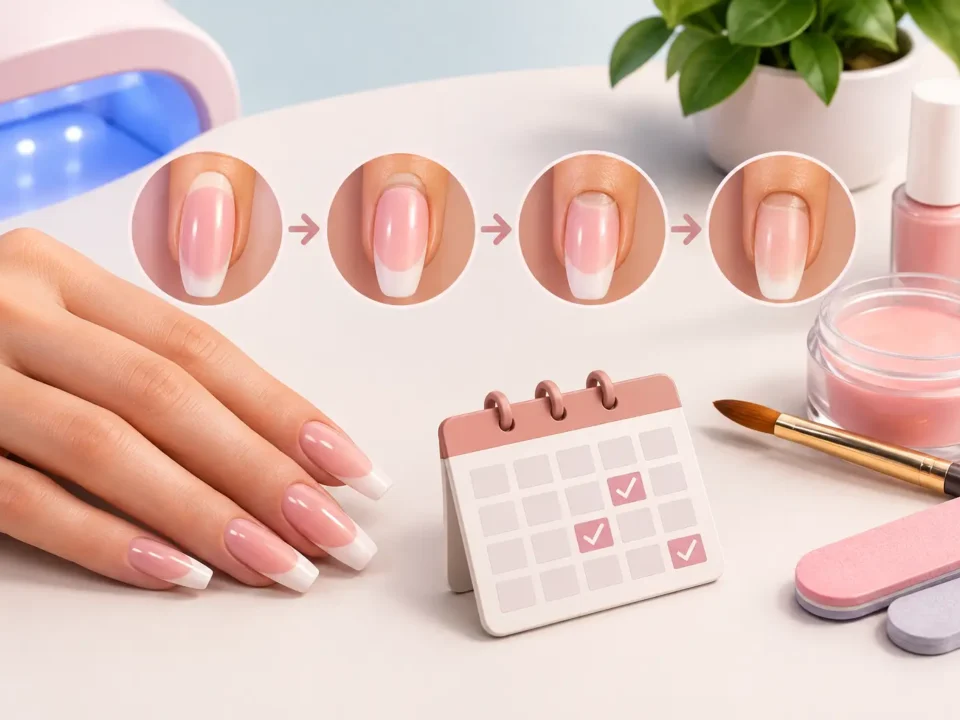
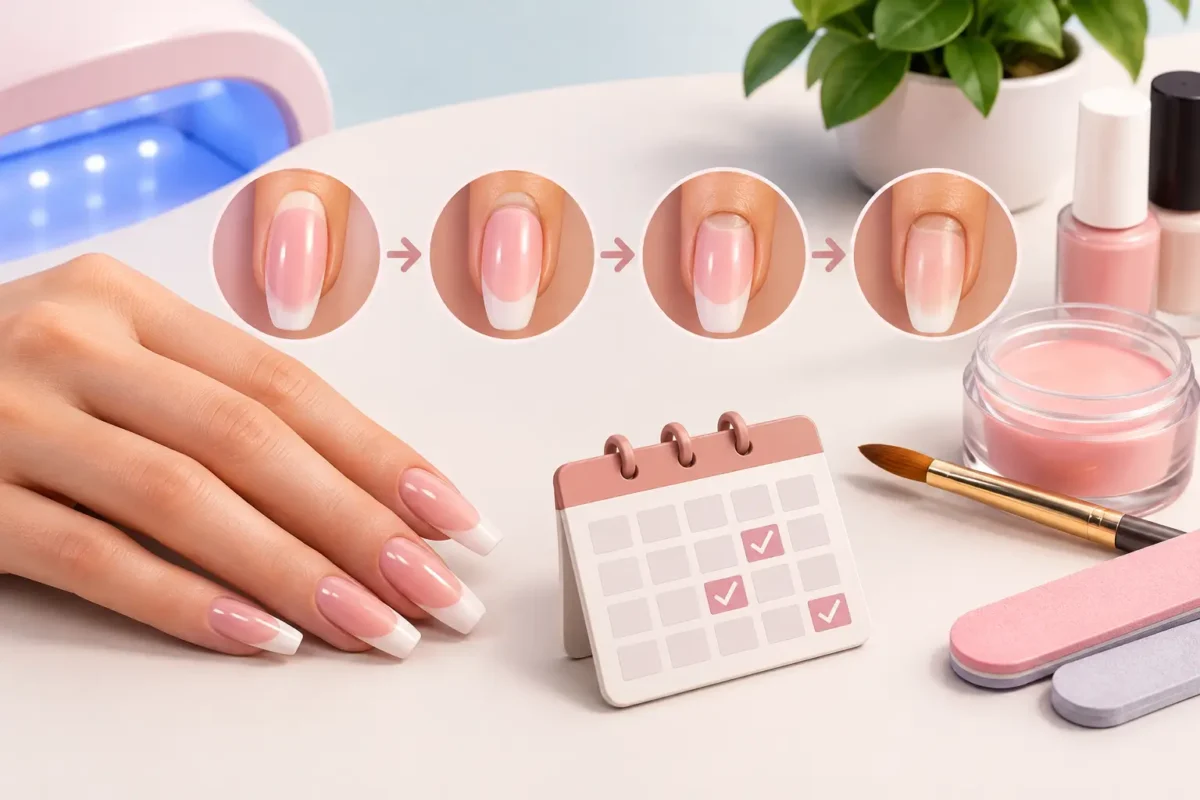
Regular maintenance helps. Waiting too long between appointments can leave grown-out product with more leverage at the tips, particularly with gel enhancements, dip powder, or acrylics. For many clients, a two- to three-week rhythm supports a clean appearance and allows small issues to be addressed before they turn into breaks.
Nutrition and hydration can play a role, although no single supplement guarantees stronger nails. If you notice sudden, persistent peeling, deep ridges, unusual brittleness, or changes in nail color, consider discussing it with a medical professional. Sometimes nail changes reflect repeated environmental exposure, but they can also point to an underlying health concern.
Be mindful of removal, too. A beautiful manicure should never come at the expense of a damaged nail plate. Professional removal may take a little more time, but it preserves the smooth foundation needed for your next polished finish.
The goal is not to keep your hands perfectly still. It is to give your manicure the same thoughtful care that went into creating it. Choose a service that fits your routine, protect your nails from avoidable stress, and treat small chips early. Those details keep your hands looking composed, polished, and ready for every moment on your calendar.