Does Gel Damage Nails? The Truth About Safe Wear
octubre 25, 2026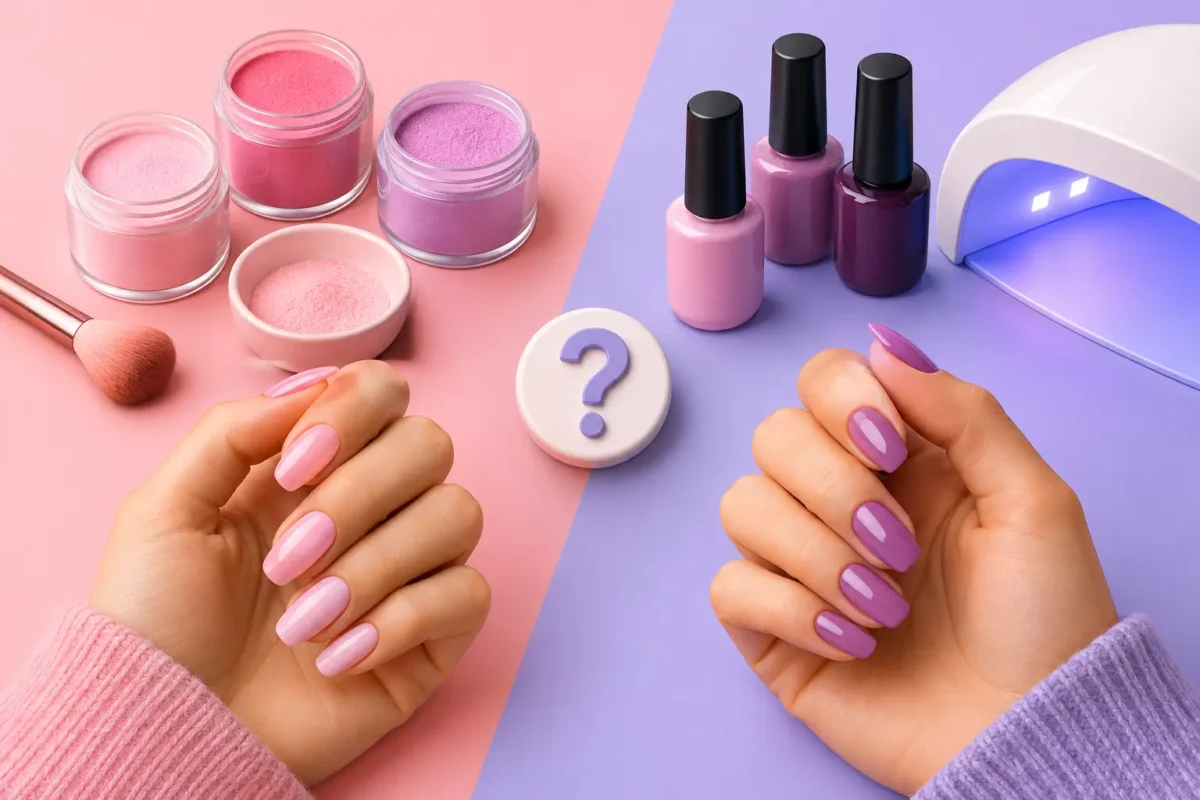
A manicure should work with your week, not ask you to rearrange it. When clients weigh dip powder vs gel, the best choice usually comes down to how they use their hands, the look they prefer, and how much natural-nail flexibility they want. Both can deliver a refined, long-lasting finish, but their technique, feel, and upkeep are distinctly different.
At D&T Nails, every recommendation begins with the details: your nail condition, daily routine, desired length, and the finish that makes you feel most put together. Here is how to choose with clarity.
Dip Powder vs Gel: The Practical Difference
Dip powder and gel are both enhancement services designed to last longer than traditional polish, yet they are built in different ways. Dip powder uses a bonding base and finely milled colored powder, layered over the natural nail and sealed for strength. The result is a structured manicure with a smooth, polished surface.
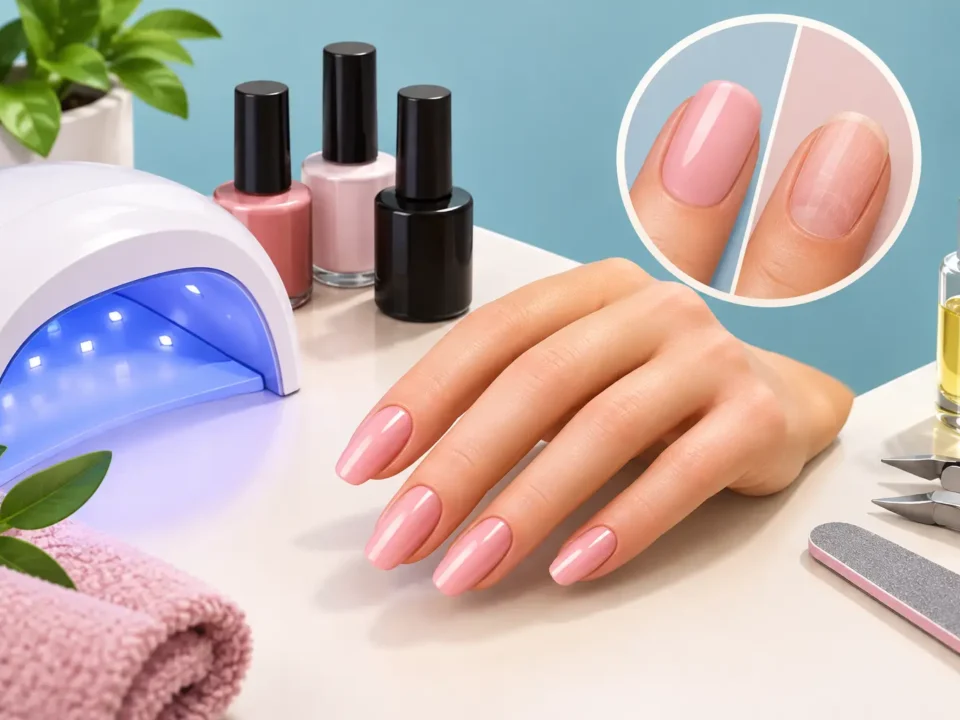
Gel polish is applied in liquid layers and cured under an LED or UV lamp. It is generally thinner and more flexible than dip powder, creating a glossy finish that closely follows the natural movement of the nail. When someone says “gel,” they may mean gel polish or a structured builder gel service. For an everyday color manicure, gel polish is the closest comparison to dip powder.
Neither option is automatically better. A meticulous application, premium products, proper preparation, and professional removal matter as much as the service itself.
Choose Dip Powder When Strength Is the Priority
Dip powder is often a strong choice for clients whose natural nails bend, split, or break before they can reach their preferred length. Its layered structure provides added reinforcement without the thickness of a traditional acrylic enhancement. For many clients, it offers a dependable middle ground between a natural manicure and a more substantial nail extension service.
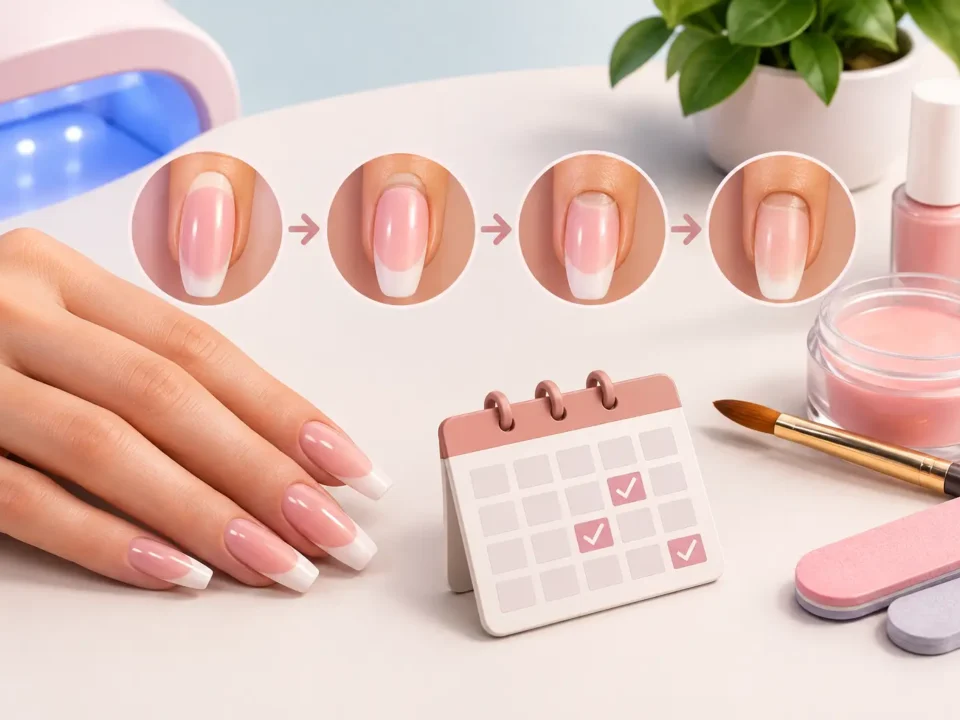
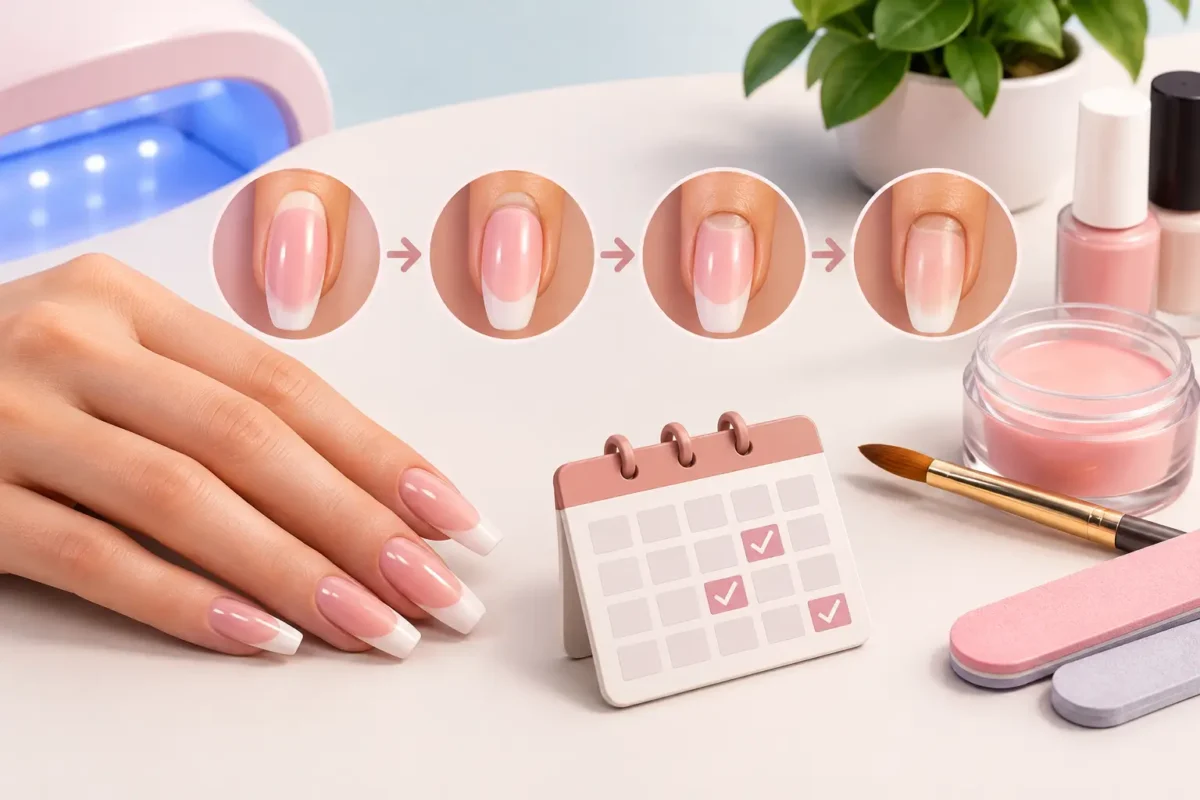
The finish can be beautifully even, especially in soft neutrals, rich classic colors, and clean French-inspired looks. Dip powder is also valued for its wear. With thoughtful aftercare, it can commonly maintain its appearance for three to four weeks, although nail growth may make an earlier appointment preferable.
Because dip is firm, it can suit busy hands well. Professionals who type, commute, manage a household, or simply prefer not to think about their nails every few days often appreciate its resilience. That said, strength has a trade-off. If you prefer a very thin, flexible feel, dip may feel more structured than you expect.
Dip powder is especially worth considering if you want to grow out your natural nails with added support. It does not make nails healthier by itself, but a carefully applied dip manicure can help protect them from the small daily impacts that lead to breaks.
Choose Gel for a Flexible, High-Gloss Finish
Gel polish is ideal for clients who love the natural feel of their own nails but want color that stays glossy and chip-resistant longer than regular polish. It is typically lighter and more flexible than dip, which can make it especially comfortable for shorter nails and those who prefer a minimal, refined finish.
A gel manicure is also a beautiful choice for detailed nail art, delicate accents, sheer shades, and color changes that match the season or an upcoming event. The layers are thin, allowing a skilled technician to create a clean silhouette around the cuticle and sidewalls. Every detail matters here: precise preparation and controlled application help the manicure look polished as it grows out.
Most gel polish manicures wear well for about two to three weeks. The exact timing depends on nail growth, exposure to water and cleaning products, and how actively you use your hands. If you are someone who likes trying a new color often, gel may offer the right balance of durability and variety.
Gel can be less ideal if your nails are prone to significant peeling or if you need substantial reinforcement. A structured gel option may be a better fit in those cases, since it can provide more support than standard gel polish while preserving a sleek look.
Durability Depends on More Than the Product
It is tempting to think of dip as durable and gel as delicate, but wear is more personal than that. A well-applied gel manicure can look flawless for weeks, while dip can chip or lift if the nail plate is not properly prepared or if it is used as a tool for opening cans, peeling labels, or scratching surfaces.
Your lifestyle matters. Frequent handwashing, sanitizing, swimming, gardening, food service, healthcare work, and cleaning without gloves can all affect wear. Nail length plays a role, too. Longer nails experience more leverage at the tip, regardless of whether they are finished in gel or dip.
For the longest, cleanest result, use cuticle oil daily, wear gloves for household chores, and avoid picking at lifted edges. Those small habits protect both the manicure and the natural nail underneath.
Removal Is Where Nail Care Becomes Essential
The most common damage associated with either service is not caused by dip powder or gel alone. It is caused by improper removal. Peeling, prying, or aggressively filing off product can take layers of the natural nail with it, leaving nails thin, rough, and sensitive.
Gel polish and dip powder both require a patient removal process, typically involving controlled filing of the top layer and a professional soak-off method. Dip may take longer to remove because of its denser structure. Gel is often faster to soak off, though timing varies based on the formula and application.
If your nails feel weak after a manicure, consider the full picture rather than blaming one product immediately. How the service was applied, whether the product was removed safely, how often you change manicures, and the condition of your nails before the appointment all matter. A technician can help you decide whether a shorter service, a structured overlay, or a brief natural-nail reset is appropriate.
Which Finish Matches Your Style?
For a polished, low-maintenance manicure with noticeable strength, dip powder is often the more practical choice. It suits clients who want a reliable finish that holds up through a full schedule and supports a little more length.
For a sleek, lightweight manicure with exceptional shine and easy color flexibility, gel polish is often the favorite. It suits clients who enjoy a natural look, shorter appointments for regular maintenance, or a fresh shade every few weeks.
The color palette does not have to decide the service. Both dip and gel can create classic reds, sophisticated nudes, soft pinks, bold seasonal tones, and elegant French finishes. The difference is less about what you can wear and more about how you want the manicure to feel and perform.
Make the Choice With Your Nail Goals in Mind
A refined manicure is never one-size-fits-all. If your priority is reinforcement, longer wear, and a more structured feel, ask about dip powder. If you want flexible wear, luminous shine, and a natural finish, gel may be the right fit. If you are uncertain, arrive with a few details in mind: how long you want your nails, how often you prefer appointments, and whether breakage or chipping has been your bigger frustration.
The right service should leave you with nails that feel comfortable, look intentional, and fit naturally into your routine. A thoughtful consultation can turn a simple choice between dip and gel into a more personal kind of self-care – one where technique, comfort, and your individual style receive equal attention.