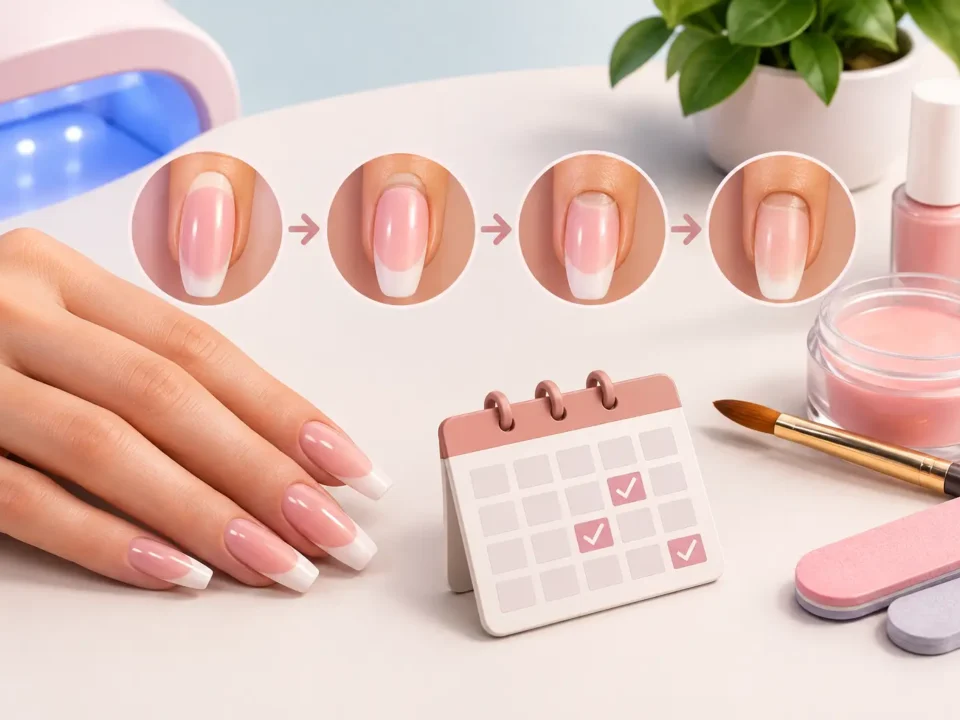
How Long Acrylics Last and When to Refill
octubre 23, 2026
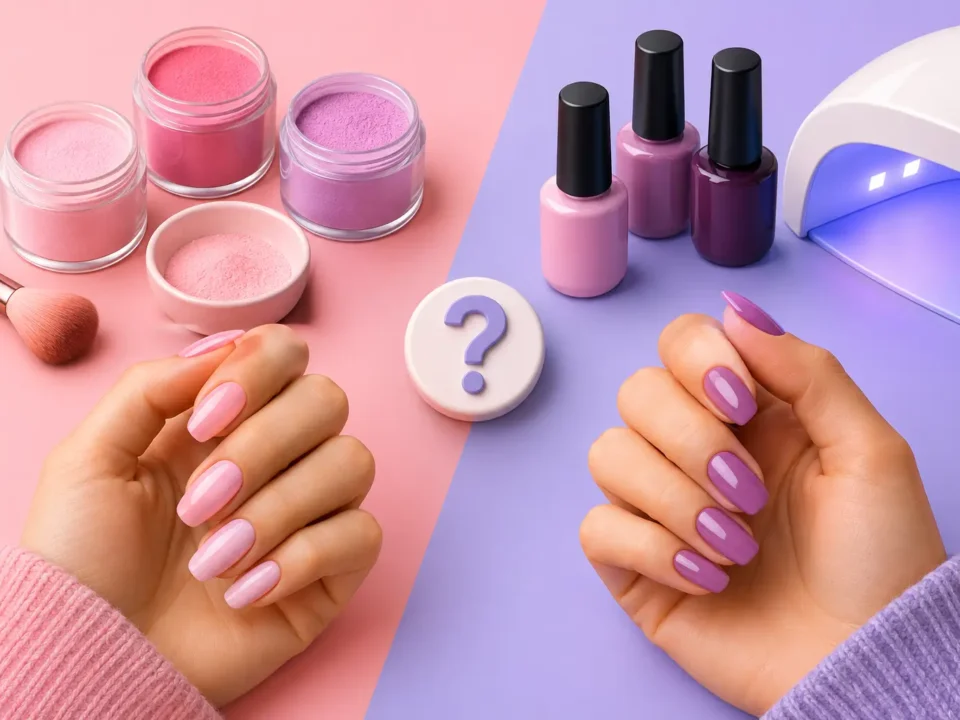
Dip Powder vs Gel: Which Manicure Fits You?
octubre 27, 2026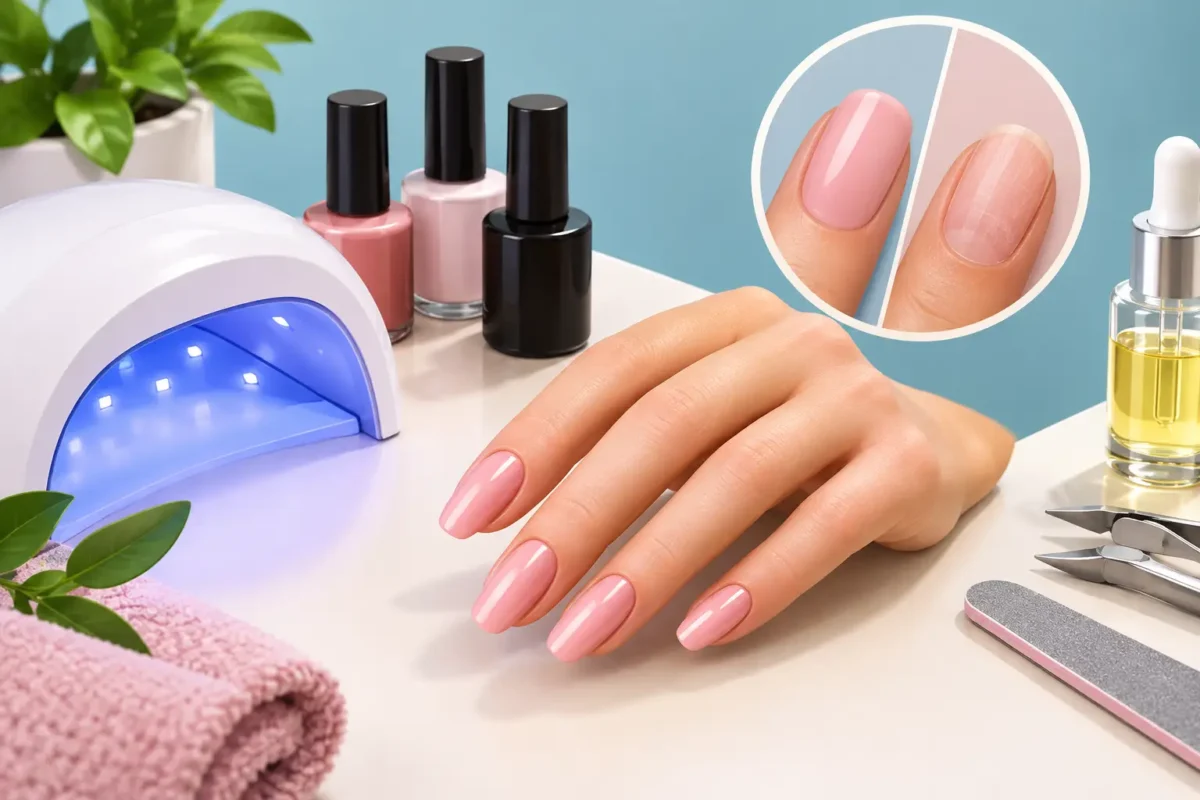
Does gel damage nails? Not when it is applied, worn, and removed with the right technique. The concern is understandable: after a rushed removal or a series of back-to-back manicures, nails can feel thin, dry, or uneven. But gel polish itself is not automatically the problem. More often, nail damage comes from aggressive prep, peeling, picking, over-filing, or improper removal.
For clients who love the flawless shine and durable color of gel, the goal is not necessarily to avoid it. It is to make thoughtful choices that protect the natural nail at every appointment. Every detail matters, from the condition of your nails before application to how the final layer is taken off.
How Gel Manicures Can Affect Natural Nails
A gel manicure is a polish system that cures under an LED or UV lamp. When performed properly, it creates a smooth, long-lasting finish that resists chipping far better than traditional polish. The product sits on the nail plate, but it should not weaken a healthy nail simply by being there.
The issue begins when the surface of the nail is overworked. A light, controlled preparation helps the gel adhere. Heavy filing, especially at repeated appointments, can remove too much of the nail’s protective upper layer. That can leave nails feeling flexible or tender and make any minor dryness more noticeable.
Removal is the other major factor. Gel is designed to stay in place, so it needs time and the correct process to release cleanly. Peeling off lifted gel may seem harmless, but it can pull away tiny layers of the natural nail along with it. The result is often roughness, splitting, and a thinner appearance that clients understandably associate with gel itself.
Does Gel Damage Nails When Removed Correctly?
When removed correctly, gel is generally a safe option for most clients. A skilled nail professional gently breaks the top seal, uses an appropriate soak-off method for the product, and carefully lifts away softened gel without scraping or forcing it from the nail. The natural nail should never need to be aggressively filed down to remove a standard gel polish service.
At D&T Nails, technique in every touch matters because removal is not an afterthought. It is part of the service that protects the look and feel of your natural nails for your next manicure, your next event, and your everyday confidence.
There is one important distinction: not every enhancement labeled “gel” is the same. Soak-off gel polish, builder gel, hard gel, and gel extensions have different formulas and removal needs. Hard gel, for example, is typically filed down rather than soaked off. That does not make it damaging, but it does make professional, measured removal especially valuable.
The Habits Most Likely to Cause Damage
Healthy gel wear is a partnership between your salon visit and your at-home habits. The most common source of damage is picking at a lifted edge. Once an edge catches, it is tempting to pull it back, particularly when you are busy. Yet that small pull can remove part of the nail plate and create a longer recovery period than a quick repair appointment would have required.
Using nails as tools is another culprit. Opening cans, scraping labels, prying packages, or picking at adhesive places force directly on the enhancement and the natural nail underneath. Gel can make nails feel stronger, but it does not turn them into tools. A little care goes a long way toward preventing breaks and premature lifting.
Dryness can also make nails feel less resilient. Frequent handwashing, cleaning products, seasonal weather, and acetone exposure all affect the skin and nails. Cuticle oil and hand cream do not make gel last forever, but they help condition the surrounding skin and maintain a more polished, comfortable appearance between appointments.
Signs Your Nails Need Extra Care
A short break from gel can be helpful when your nails are already compromised, although a break is not required for everyone. Look at what your nails are telling you. If they are peeling in layers, breaking unusually easily, feeling sore, or showing persistent surface roughness after removal, it may be time to focus on restoration before another enhancement service.
This does not mean you need to leave with bare nails if you prefer a finished look. A natural manicure, a carefully chosen strengthening treatment, or a gentle short-wear polish can provide a refined appearance while your nails grow out. Since nails grow gradually, visible improvement takes patience. The healthiest approach is consistent, gentle maintenance rather than a single dramatic fix.
Discoloration, pain, swelling, or a nail that separates from the nail bed deserves more than cosmetic coverage. Skip the enhancement and seek guidance from a medical professional, especially if symptoms persist. A quality salon service should never conceal a condition that needs care.
How to Wear Gel Without Sacrificing Nail Health
Start with an honest consultation. Let your technician know whether your nails have been peeling, whether you recently removed product yourself, or whether you use your hands heavily at work. The right service is personal. A client who types all day may want a different length and shape than someone whose hands are regularly exposed to water, cleaning products, or physical work.
Choose a length that supports your lifestyle. Longer nails can be elegant and expressive, but they experience more leverage when bumped or caught. A shorter, softly shaped gel manicure is often a beautiful option for professionals, commuters, and anyone who wants low-maintenance polish with a clean, natural finish.
Keep regular appointments based on the service you wear and the condition of your nails. Gel polish is often refreshed within two to three weeks, while structured gels and extensions may follow a different maintenance schedule. Waiting until there is significant lifting increases the temptation to pick and may allow water or debris to collect beneath the product.
At home, apply cuticle oil regularly and wear gloves for prolonged cleaning or dishwashing. Avoid clipping or filing through gel if you can, since breaking the sealed edge may encourage lifting. If a nail chips or catches, arrange a repair rather than trying to smooth it away aggressively.
Premium Products Matter, but Technique Matters More
Quality products support a beautiful result, but even premium gel needs careful application and removal. The nail should be properly cleansed and prepared without unnecessary abrasion. Product should be applied in balanced layers, kept off the surrounding skin, and cured according to the system’s requirements. These details influence durability, comfort, and the condition of the natural nail after removal.
A careful technician also knows when gel is not the best choice that day. If the nail plate is extremely thin from previous picking or over-filing, a more restorative plan may deliver a better result than immediately applying another full enhancement. Personalized care is not about choosing the same service every time. It is about choosing the service that helps your hands look polished while respecting their current condition.
The Bottom Line for Beautiful, Healthy Nails
Gel can be an excellent choice for a glossy, durable manicure, especially when you want color that keeps its flawless finish through a full schedule. Its safety depends less on the idea of gel and more on the quality of prep, product selection, removal, and aftercare.
If you are unsure what your nails need, bring that question to your next appointment. A thoughtful nail professional can assess your natural nails, recommend a finish that suits your routine, and help you enjoy the refined look you love without treating nail health as an afterthought.