How to Prevent Chipped Nails Between Manicures
octubre 19, 2026
How Long Acrylics Last and When to Refill
octubre 23, 2026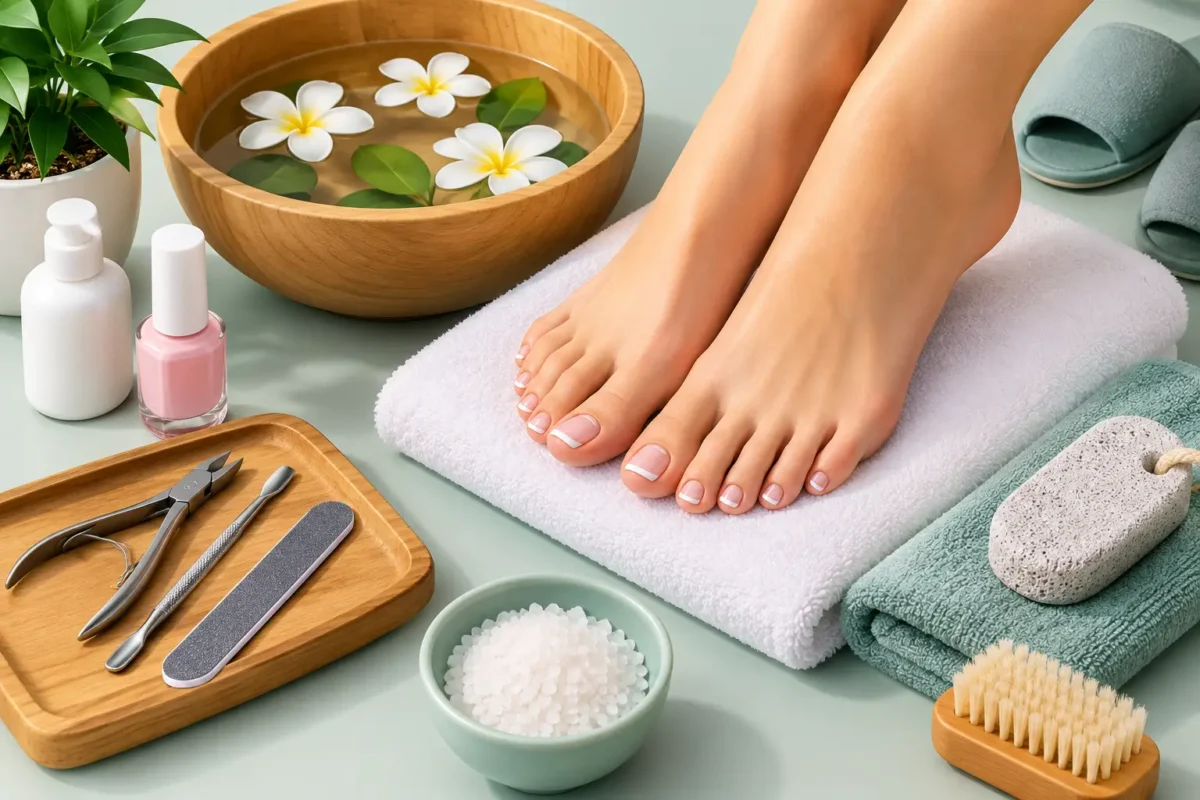
A polished sandal season look starts long before the color is applied. It begins with properly prepared nails, softened skin, thoughtful shaping, and the quiet comfort of knowing every detail has been handled with care. This European pedicure guide explains what makes this refined service distinctive, what to expect at your appointment, and how to choose the finish that best suits your routine.
What Is a European Pedicure?
A European pedicure is a detail-focused foot care service that pairs precise grooming with a more elevated sense of relaxation. While service steps can vary by salon, the experience generally centers on careful cuticle work, thorough exfoliation, callus smoothing, nail shaping, massage, and a polished final finish.
The difference is in the technique. Rather than treating a pedicure as a quick color change, a European approach gives the natural nail and surrounding skin more attention. The goal is feet that look impeccably maintained but also feel refreshed, soft, and comfortable.
It is worth knowing that “European pedicure” is not a universally regulated service name. One salon may emphasize exfoliation and massage, while another may include an extended moisture treatment or more intensive callus care. The best appointment begins with clear expectations and a technician who can personalize the service to your needs.
European Pedicure Guide: What Your Service Should Include
A refined pedicure should feel unhurried, even when your schedule is full. Your appointment commonly begins with a foot soak that helps soften the skin and create a moment of calm before the detailed work begins. From there, the technician assesses nail length, shape, cuticles, and areas of dryness so the treatment can be adjusted thoughtfully.
Nails are trimmed and shaped to complement both your preferences and your natural nail structure. A soft square or squoval shape is a popular choice for toes because it looks clean and helps avoid overly sharp corners. If you prefer a more rounded shape, your technician can guide you toward a finish that remains flattering and practical.
Cuticle care is a central part of a polished result. This work should be precise, never aggressive. The purpose is to gently tidy excess cuticle around the nail plate, not to overwork healthy skin. Skilled technique matters here because a clean cuticle line helps polish sit more smoothly and gives the finished pedicure its refined appearance.
Exfoliation and callus care follow. This may involve a scrub, a smoothing treatment, or both, depending on the condition of your feet. Calluses are normal, especially for clients who walk frequently, wear heels, run, or spend long days commuting. The goal is not to remove every trace of thicker skin. It is to smooth rough areas comfortably while preserving the skin’s natural protective barrier.
A massage adds more than a moment of indulgence. It brings the service to a slower, more restorative close while moisturizer is worked into the feet and lower legs. Pressure should feel relaxing, not painful, and can be adjusted to your comfort level.
Finally, your nails are cleansed and prepared for color. Whether you choose classic polish, gel, a French-inspired finish, or a natural buff, careful preparation helps the result look even and last beautifully.
Why This Service Feels Different
A European pedicure suits clients who want more than a basic maintenance appointment. It provides a polished reset for feet that spend most of the year inside work shoes, on city sidewalks, at the gym, or in sandals.
The value is not simply in extra time. It is in the attention given to the small elements that shape the overall result: balanced nail lengths, smooth edges, neatly groomed cuticles, softened heels, and hydration that does not feel rushed. Those details make a neutral polish look more elegant, make a French tip appear sharper, and allow bare nails to look naturally well cared for.
It can also be the right choice before an event, vacation, wedding weekend, or important presentation. If you are preparing for an occasion, schedule your service close enough to the date for your color to look fresh, but leave enough time to address any unexpected sensitivity or polish preference changes.
Choosing the Right Finish for Your Lifestyle
The ideal pedicure color is not always the boldest one on the display. It should complement your style, calendar, and the amount of wear your feet will receive in the weeks ahead.
Classic polish is a lovely option when you enjoy changing colors often or want a traditional salon finish. It is also easy to remove at home when you are ready for something new. The trade-off is drying time. Plan to wear open-toe shoes after your appointment and give polish the time it needs to fully set.
Gel polish offers a glossy, durable finish and can be especially convenient before travel or a busy stretch of work and social plans. It is a strong choice for clients who want color that stays polished with minimal effort. Proper removal matters, though. Avoid peeling or picking at gel, which can stress the natural nail surface.
A French-inspired pedicure remains a timeless choice for its clean, understated effect. A sheer pink, soft nude, or milky neutral can be equally elegant for clients who prefer a low-maintenance look. With neutrals, the preparation becomes even more visible, which makes precise shaping and cuticle work especially valuable.
For a modern statement, a rich red, deep berry, glossy black, or fine detail of nail art can bring personality without sacrificing refinement. Your technician can help scale the design to the occasion, whether that means a single accent nail or a more expressive seasonal look.
How Often Should You Book?
For most clients, a European pedicure every three to five weeks supports a consistently polished appearance. The right timing depends on nail growth, dryness, footwear, exercise habits, and whether you wear gel polish.
If your heels tend to become rough quickly, a more regular schedule may help maintain comfort between appointments. If your nails grow slowly and you prefer a natural finish, you may be able to extend the interval. There is no single ideal timeline. Personalized care means choosing a rhythm that works for your feet and your life.
Between visits, use a rich foot cream several evenings each week, especially around the heels and sides of the feet. Wear breathable socks when appropriate, dry carefully after bathing, and avoid cutting cuticles at home. Small habits preserve the smooth, hydrated result of your service far better than an occasional last-minute fix.
What Clean, Professional Care Looks Like
A relaxing pedicure should also inspire confidence. A professional salon maintains a clean service area, uses properly sanitized tools, follows thoughtful hygiene practices, and treats each client’s comfort as part of the service.
Do not hesitate to mention sensitivities, ingrown nail concerns, recent injuries, allergies, or areas that feel tender before your appointment begins. A good technician welcomes that information. It helps them tailor pressure, product selection, and grooming steps to your needs.
If you have an open wound, active infection, unexplained swelling, or a medical foot concern, postpone cosmetic services and speak with an appropriate healthcare professional first. A quality pedicure supports healthy-looking feet, but it is not a substitute for medical care.
At D&T Nails, every detail matters, from the first soak to the final top coat. Select a European pedicure when you want technique in every touch, premium care, and a finish that feels as polished as it looks.
The most memorable pedicures are not only about leaving with beautiful color. They give you a quieter kind of confidence: comfortable steps, impeccably groomed feet, and a little more room in your day to feel cared for.