Nail Salon Hygiene Standards That Protect Every Visit
octubre 17, 2026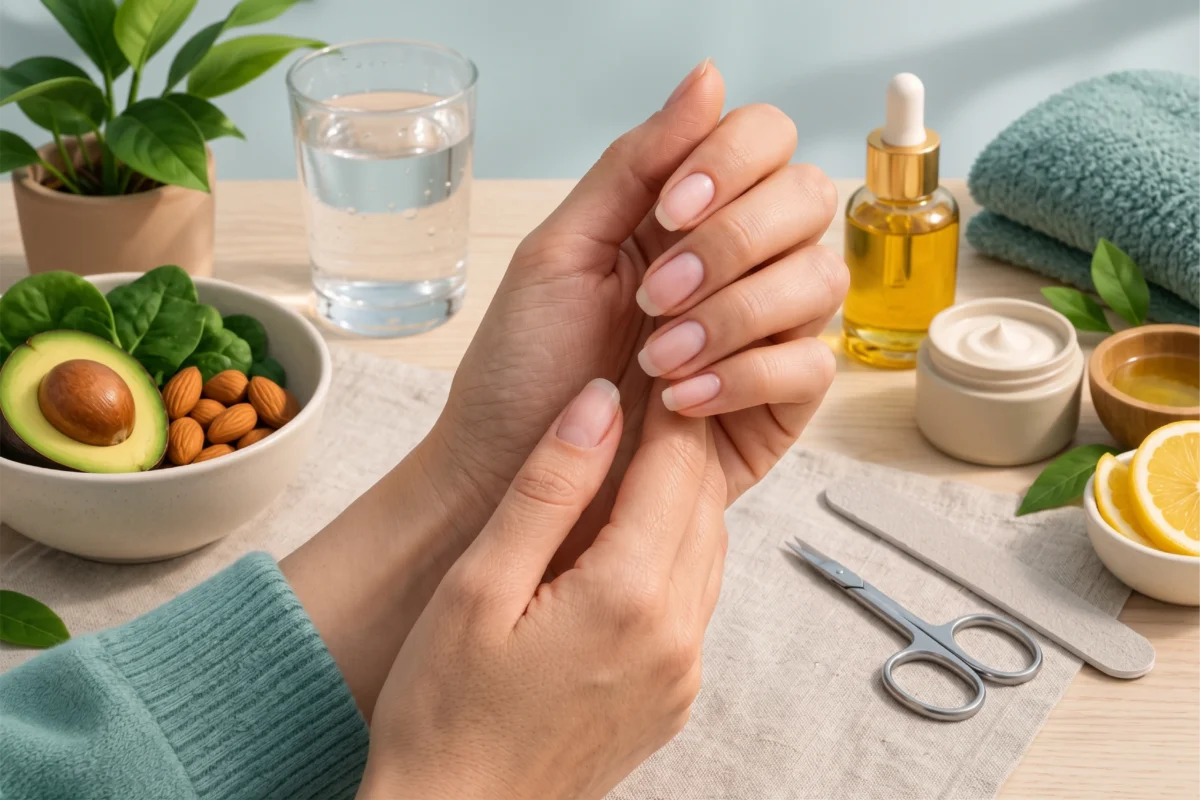
A fresh manicure should enhance your hands, not make you worry about the condition beneath it. If you are wondering how to fix brittle nails, begin by looking at the small daily stresses your nails experience: water, cleaning products, polish changes, picking, filing, and even the way you remove enhancements. Healthy-looking nails are rarely the result of one miracle product. They come from consistent care, thoughtful technique, and enough time for new growth to replace damaged length.
What brittle nails are telling you
Brittle nails may split at the tips, peel into thin layers, crack along the sides, or bend more easily than they once did. For many people, the cause is external. Nails absorb and lose water repeatedly, so frequent handwashing, dishwashing, sanitizing, and exposure to household cleaners can leave the nail plate dry and fragile.
Manicure habits can also make a visible difference. Aggressive buffing thins the surface. Peeling off gel polish can pull away layers of natural nail. Cutting cuticles too closely can leave the surrounding skin irritated and less protected. Even a beautiful enhancement service needs the right preparation, product choice, and removal technique to support the natural nail underneath.
Sometimes brittleness is more personal. Seasonal dryness, aging, nutritional gaps, certain medications, and medical conditions can affect nail strength. That does not mean every peeling edge signals a health concern, but a lasting change is worth paying attention to.
How to fix brittle nails with a gentler routine
The most effective reset is usually a simpler one. Give nails a period of lower stress while you restore moisture and stop the habits that cause repeat damage. You do not need to avoid polished hands while they recover, but the service and aftercare should match their current condition.
Moisturize the nail, not just your hands
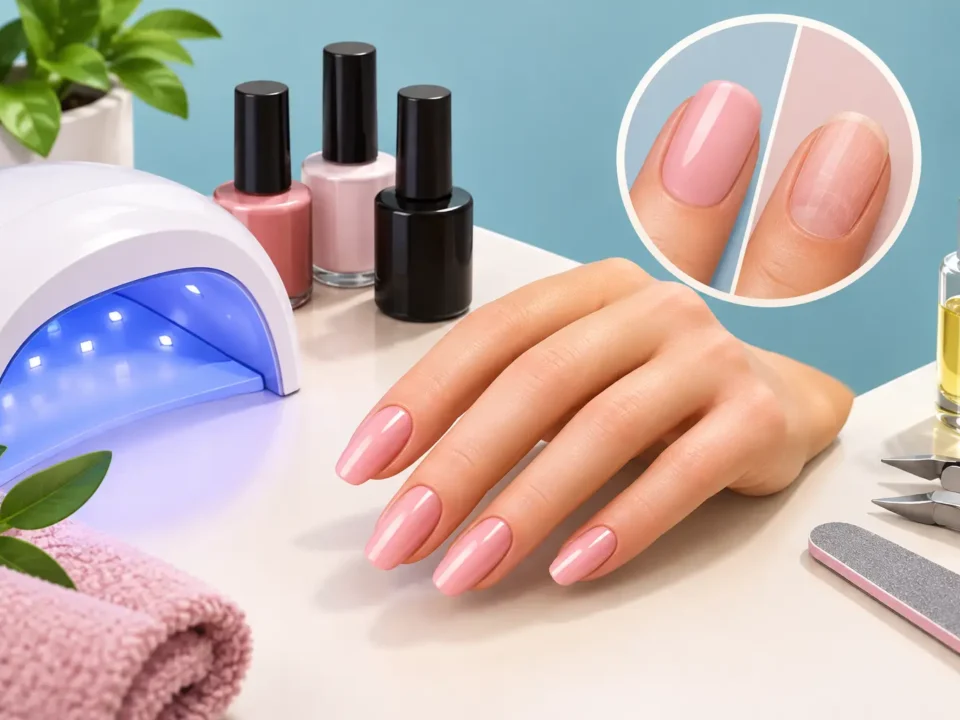
Hand cream is helpful, but nails and cuticles benefit from targeted oil as well. Massage cuticle oil into each nail and the skin around it after washing your hands and again before bed. This small ritual helps reduce dryness around the nail fold and keeps the nail more flexible, which can make it less likely to crack when bumped.
Choose a rich hand cream after oil, especially in cold weather or when indoor heat is running. If you wash dishes or clean with chemicals, wear gloves. It is a practical step, but it protects both your manicure and the condition of your natural nails.
Adjust your filing technique
File in one gentle direction rather than sawing back and forth across the edge. A fine-grit file is usually the better choice for brittle nails because it creates less friction and fewer tiny fractures. Keep the shape softly rounded or squoval if corners tend to catch. Very long, sharp shapes can look refined, but they place more leverage on a fragile free edge.
Avoid using nails as tools. Opening a can tab, scratching off a label, or prying apart a key ring can turn a small weak spot into a full break. This is less about being precious with your hands and more about protecting the progress you are building.
Take polish off with patience
Never peel away gel, dip powder, acrylic, or regular polish that is lifting. The urge is understandable, especially when a corner catches, but lifting product can take superficial layers of nail with it. The result is often the thin, rough, peeling surface clients are trying to correct.
Professional removal is the most controlled option for enhancements. If you are removing regular polish at home, use remover efficiently rather than repeatedly rubbing the nail for several minutes. Follow with oil and cream, since even gentle removal can leave nails feeling dry.
Choose manicures that support recovery
A break from every product is not always necessary. For some clients, a carefully applied service can act as a protective layer while short natural nails grow out. The right choice depends on the reason for the brittleness, your lifestyle, and how consistently you can maintain appointments.
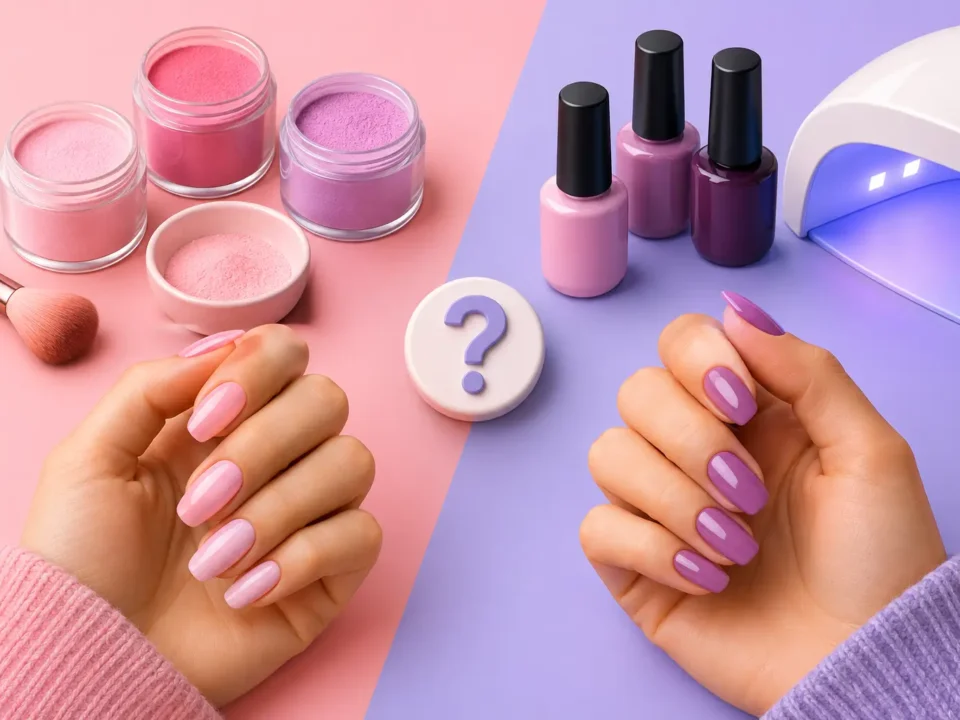
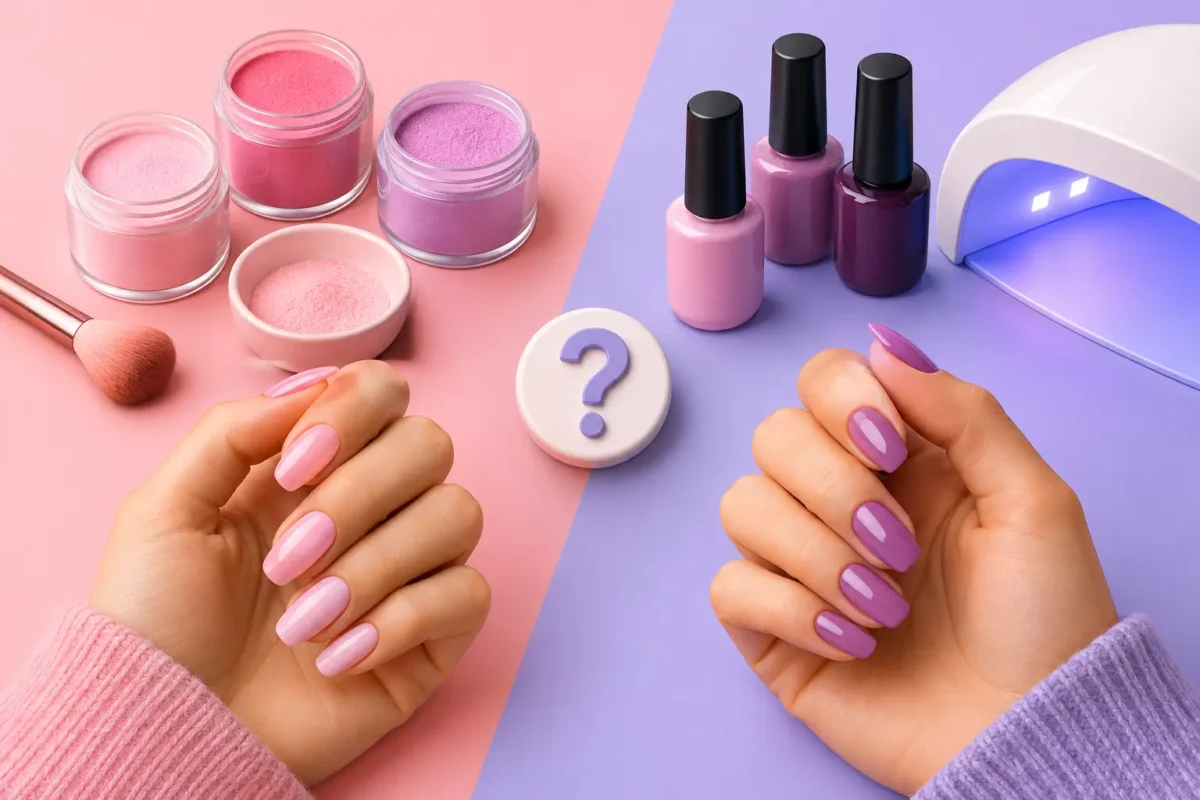
A classic manicure with a strengthening base can be a polished, low-commitment option for mildly dry or peeling nails. It allows easy color changes and gives your technician a clear view of the nail as it improves. For clients who need more durability, a structured gel overlay or a carefully selected dip powder service may offer added support. Technique matters here: the nail should be prepared gently, the product should not be overly thick, and removal should be planned rather than rushed.
Acrylic or other enhancements can also be appropriate when length and structure are priorities, but they require disciplined maintenance. If you have a habit of picking or if your nails are already extremely thin from prior removal, your nail professional may recommend a shorter, softer approach first. More coverage is not always more protection.
At D&T Nails, personalized care begins with looking at the nail in front of you. A refined result should feel comfortable, suit your routine, and respect the condition of your natural nails.
Check the habits beyond your manicure
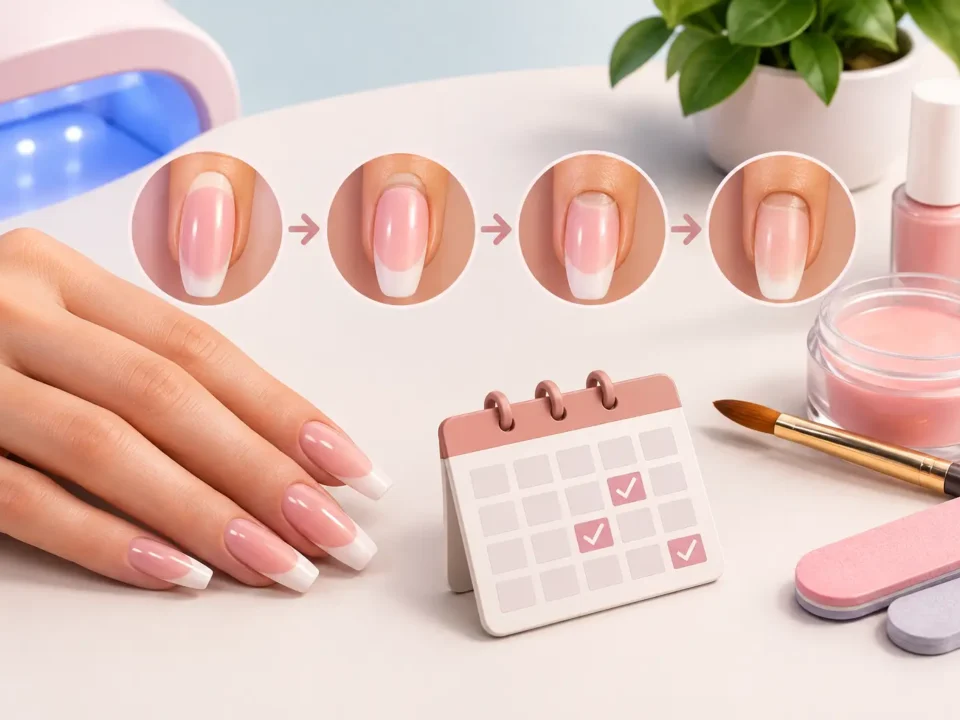
Nails grow slowly, often only a few millimeters each month. That means visible repair takes patience. A split at the tip may improve quickly with trimming and protection, but a nail that has been repeatedly thinned needs time to grow out from the base.
Support that process with a balanced diet that includes adequate protein, iron, zinc, and other essential nutrients. It is tempting to reach for supplements, especially biotin, but supplements are not a universal answer and can interact with medications or affect certain laboratory test results. If you suspect a deficiency, speak with your health care provider before starting a high-dose supplement.
Also consider patterns. Do your nails worsen after a busy period of cleaning? Do they peel after every gel removal? Does one specific finger repeatedly split because of how you type, carry bags, or use a tool at work? These details help identify a practical solution instead of treating every break as random bad luck.
When brittle nails need medical attention
Most brittle nails improve with gentler handling and consistent moisture. Still, make an appointment with a health care professional if nail changes are sudden, severe, painful, or persistent despite careful home and salon care. You should also seek advice if you notice discoloration that does not grow out, a dark streak, nail lifting, swelling, bleeding, major thickening, or changes affecting several nails at once.
A salon professional can help you choose a beautiful, lower-stress service, but we cannot diagnose a medical cause. Clear communication is part of meticulous care. Let your technician know about allergies, sensitivity, prior enhancement damage, and any advice you have received from a clinician.
Build a maintenance rhythm that lasts
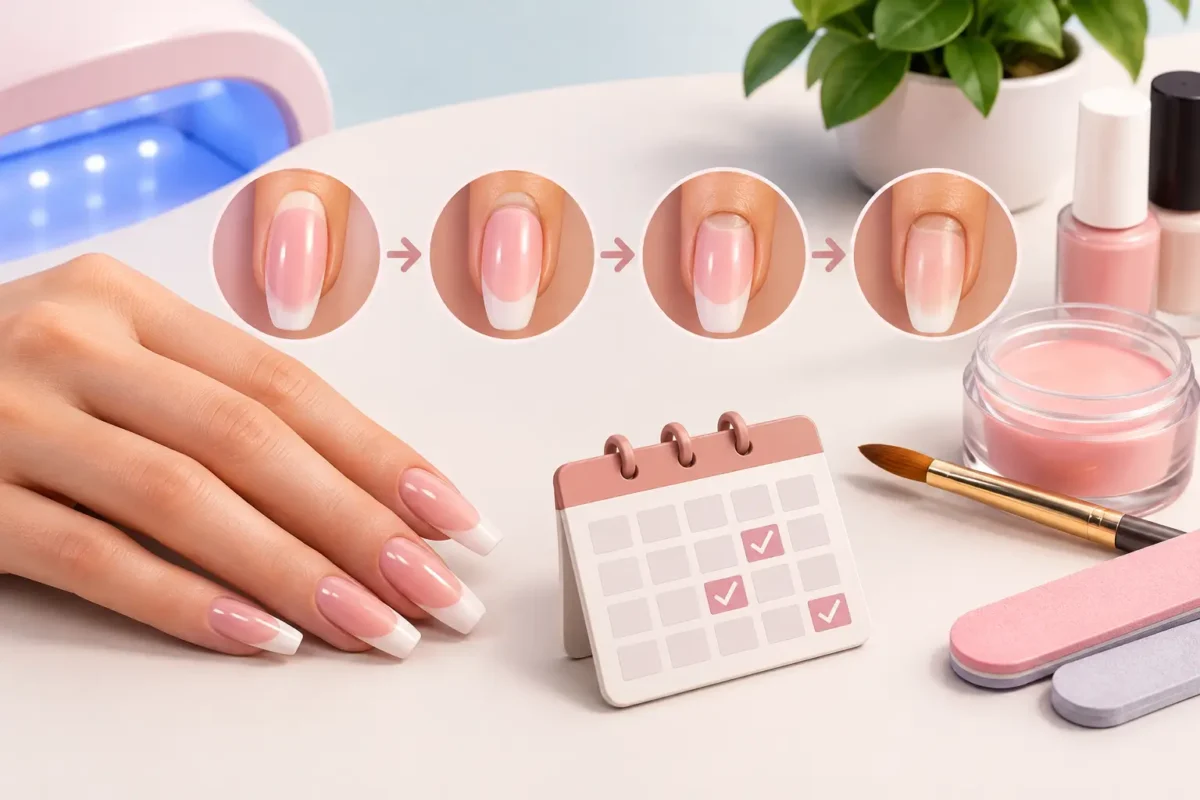
For most people, brittle nails improve when care becomes routine rather than corrective. Keep nails at a manageable length, apply oil consistently, use gloves for wet work, and schedule removal or maintenance before lifting becomes tempting to pick. If you enjoy gel, dip, or acrylic services, choose a technician who prioritizes preparation, premium products, clean tools, and detail in every step.
Your hands do a great deal for you every day. Giving them a little more protection, and allowing new nail growth the time it needs, can bring back the smooth, polished finish that makes a manicure feel memorable.